
Journaling is a simple yet powerful activity that helps many people organize their thoughts, express emotions, and cultivate creativity. If you’re new to journaling or want to establish a daily routine, this guide offers practical tips and insights to get you started and keep you motivated.
Why Start Journaling Every Day?
Before diving into the how, it helps to understand why journaling daily can be beneficial:
– Mental clarity: Writing regularly can clear your mind and reduce stress.
– Self-awareness: Reflecting on your thoughts helps you understand your feelings and behaviors better.
– Goal setting: Journals can track your progress and keep your goals in focus.
– Creativity boost: Daily writing encourages fresh ideas and new perspectives.
– Memory improvement: Recording daily events strengthens your recall and attention to detail.
These advantages make journaling a valuable tool for personal growth and emotional well-being.
Choosing Your Journaling Style
There’s no “right” way to journal. Here are a few styles you can try:
– Free writing: Write whatever comes to mind without worrying about grammar or structure.
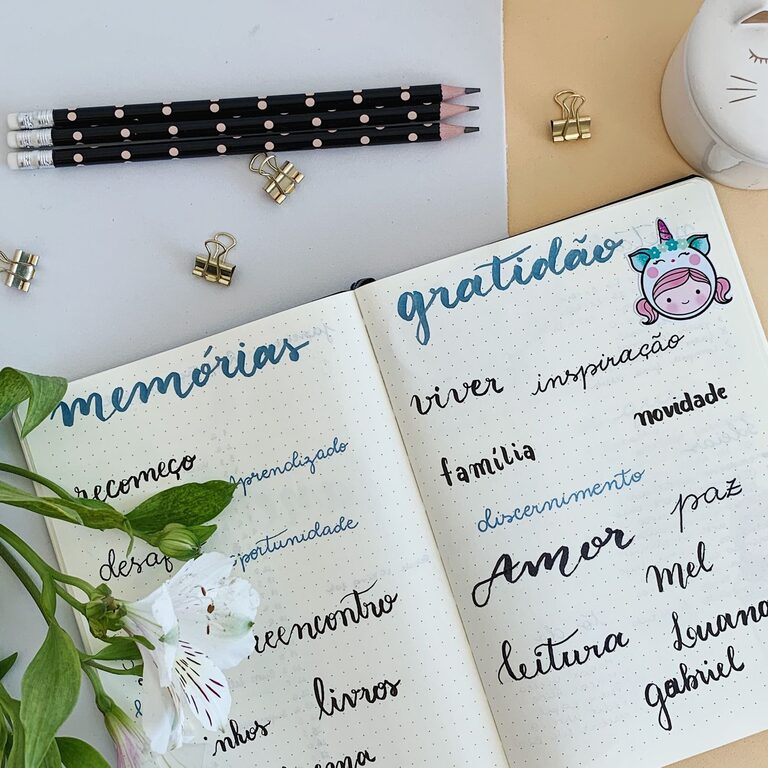
– Gratitude journal: Note things you’re thankful for each day.
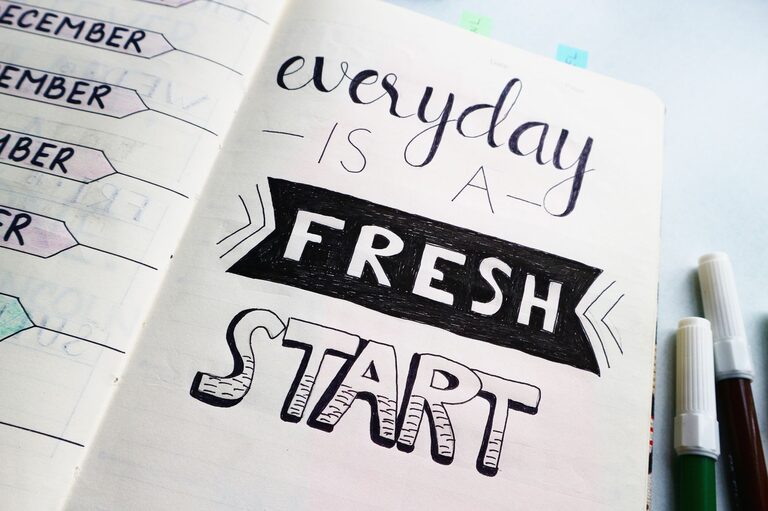
– Bullet journaling: Use short entries, lists, and symbols to organize your life.
– Prompt-based journaling: Respond to specific questions or themes.
– Art journaling: Combine drawings, sketches, and words to express yourself.
Experiment with these styles to find what feels most natural and enjoyable.
How to Start Journaling Every Day
1. Pick Your Tools
Decide between digital or traditional journaling. Some prefer a simple notebook and pen, while others may use apps or word processors. Choose tools that you find convenient and inviting.
2. Set a Time
Allocate a specific time for journaling, such as in the morning to plan your day or at night to reflect. Consistency helps turn journaling into a habit.
3. Start Small
Don’t pressure yourself to write pages of text. Even a few sentences or bullet points are enough to begin. Building the habit is more important than length.
4. Use Prompts If Stuck
If you’re unsure what to write, prompts can help. Examples include:
– What am I grateful for today?
– What made me smile this week?
– What challenges did I face, and how did I respond?
5. Keep It Private and Nonjudgmental
Your journal is for your eyes only. Avoid worrying about spelling or style. The goal is honest self-expression, not perfection.
Tips to Maintain Your Daily Journaling Habit
– Make it enjoyable: Choose a cozy spot, play soft music, or enjoy a cup of tea while writing.
– Set reminders: Use phone alarms or calendar alerts to prompt your journaling time.
– Celebrate progress: Reward yourself when you meet milestones like a week or month of daily journaling.
– Reflect on entries: Occasionally read past entries to see your growth and patterns.
– Be flexible: If you miss a day, don’t get discouraged—just start again the next day.
Common Challenges and Solutions
– Lack of time: Journaling can be as short as 5 minutes. Even brief entries count.
– Writer’s block: Use prompts or focus on simple descriptions of your day.
– Feeling repetitive: Change styles or topics to keep things fresh.
– Privacy concerns: Keep your journal in a secure place or use password protection for digital versions.
Final Thoughts
Journaling every day can seem daunting at first, but with a flexible approach and a focus on consistency over perfection, it becomes a rewarding habit. Whether you want to boost creativity, reduce stress, or simply capture daily moments, journaling is a wonderful tool that anyone can start today.
Remember, the best journal is the one you enjoy using. So pick up your pen or open your app, and start writing your story one day at a time.