
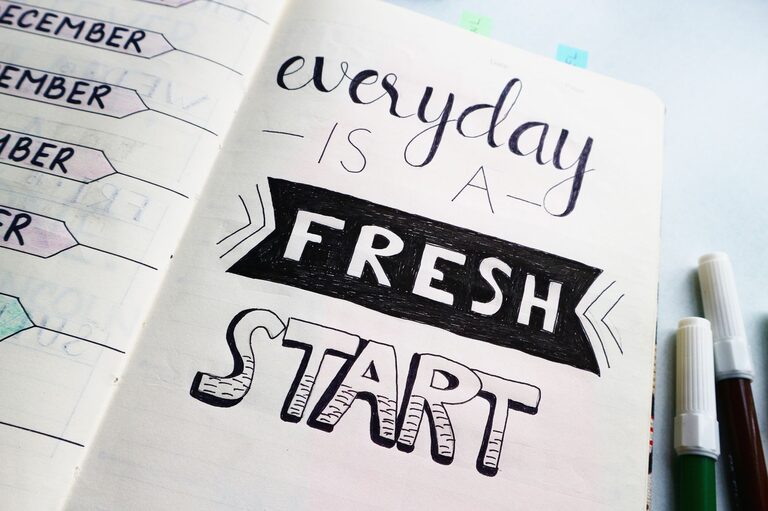
Creativity isn’t just for artists or writers—it’s a skill that everyone can nurture and enjoy. Whether you’re solving problems at work, cooking dinner, or just looking for new ways to entertain yourself, creative thinking can make the experience more fulfilling. The good news? You don’t need special tools or a lot of time to practice creativity every day. With a few simple habits, you can open your mind to new ideas and fresh perspectives.
Why Practice Creativity Daily?
Creativity is like a muscle—the more you use it, the stronger it gets. Practicing creativity daily can:
– Enhance problem-solving skills
– Reduce stress by encouraging mindful engagement
– Boost confidence as you try new things
– Improve adaptability in different situations
– Spark joy and curiosity
Now, let’s explore some easy and enjoyable ways to bring creativity into your everyday routine.
1. Keep a Daily Idea Journal
Writing down ideas regularly can help you capture creative thoughts before they slip away.
– What to do: Carry a small notebook or use a note app on your phone to jot down anything interesting—ideas, thoughts, observations, or problems you want to solve.
– Why it works: It encourages brainstorming and helps you recognize patterns in your thinking over time.
– Tip: Don’t worry about formatting or spelling—just write freely.
2. Try a Creative Warm-Up
Just like athletes warm up before a game, you can warm up your creative mind.
– Examples:
– Doodle for five minutes.
– Write a quick poem or a few lines of a story.
– List as many uses as possible for a common object (like a paperclip).
– Benefit: These activities loosen mental blocks and get you into a playful, inventive mindset.
3. Change Your Routine
Sometimes, creativity thrives on novelty and fresh experiences.
– Simple changes: Take a different route to work, try a new recipe, or rearrange your workspace.
– Why it helps: New experiences activate different parts of the brain and can inspire original thinking.
– Bonus: It adds variety and excitement to your day.
4. Learn Something New Every Day
Expanding your knowledge feeds creativity by connecting diverse ideas.
– Ideas: Watch a short documentary, read an article outside your usual interests, or pick up a new hobby bit by bit.
– How to stick with it: Dedicate 10–15 minutes to learning daily. Use podcasts, apps, or books that make learning easy and fun.
5. Practice Mindfulness and Observation
Being present and observant fuels creative insight.
– Try this: Spend time focusing on the details around you—the colors, shapes, sounds, or smells.
– Activity: Take a quiet walk with no distractions and notice as much as you can about your environment.
– Effect: Mindfulness helps you notice connections and patterns others might miss.
6. Collaborate and Share Ideas
Creativity often benefits from other people’s perspectives.
– How: Engage in conversations about ideas with friends, colleagues, or online communities.
– Try: Brainstorming sessions, book clubs, or creative workshops.
– Result: Fresh viewpoints can challenge your assumptions and inspire new directions.
7. Set Small Creative Challenges
Giving yourself mini-goals makes creativity a fun game rather than a chore.
– Examples:
– Write a 100-word story each day.
– Take one photograph daily.
– Cook a meal using only what’s in your pantry.
– Why: Challenges provide focus and motivation, plus a satisfying sense of accomplishment.
8. Limit Digital Distractions
Too much digital noise can stifle creative thinking.
– Suggestions:
– Schedule “no screen” times during your day.
– Use apps that block social media for short periods.
– Replace some screen time with creative activities like sketching or journaling.
– Impact: Reducing distractions helps your brain relax and wander freely, which is essential for creativity.
9. Embrace Mistakes and Experimentation
Creativity involves trial and error, so don’t fear failure.
– Mindset: See mistakes as learning opportunities, not setbacks.
– Action: Try new techniques or ideas without worrying about the outcome.
– Benefit: This freedom encourages innovation and original thinking.
10. Reflect on Your Creative Process
Understanding how you create helps you improve over time.
– How to reflect: At the end of the day or week, review what creative activities you did and what you learned.
– Questions to ask:
– What inspired me today?
– What worked well?
– What could I try differently next time?
– Why: Reflection builds awareness and keeps you engaged in your creative journey.
—
Final Thoughts
Creativity doesn’t have to be complicated or reserved for special occasions. By integrating simple habits like journaling, trying new things, staying mindful, and embracing experimentation, anyone can cultivate creativity every day. Start small, stay curious, and enjoy the process of discovering your unique creative style.
Remember, creativity is a gift you give yourself—a way to connect with the world and express who you are. So why not make it a daily habit?